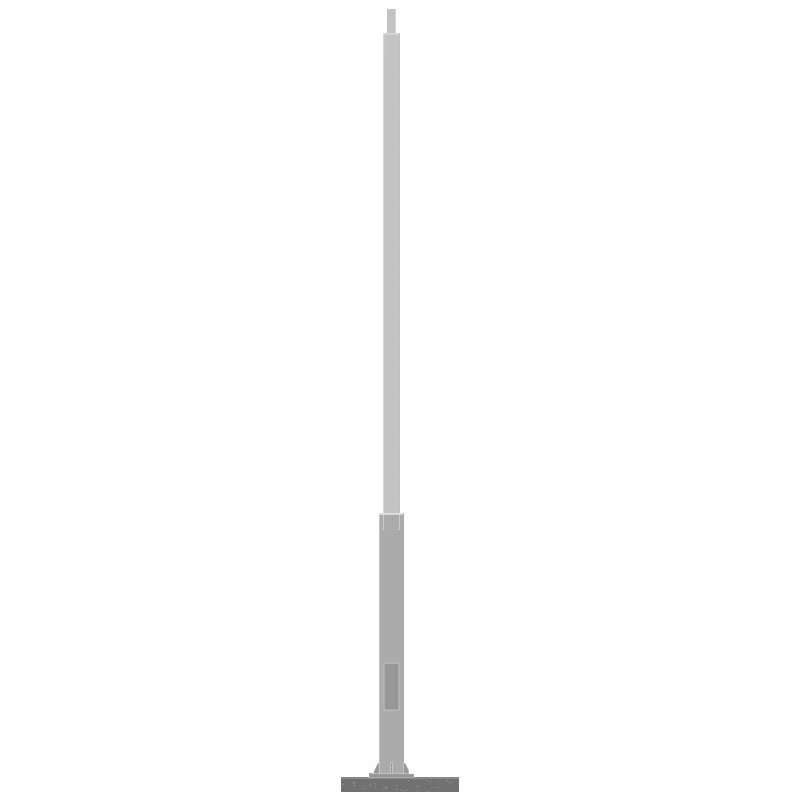
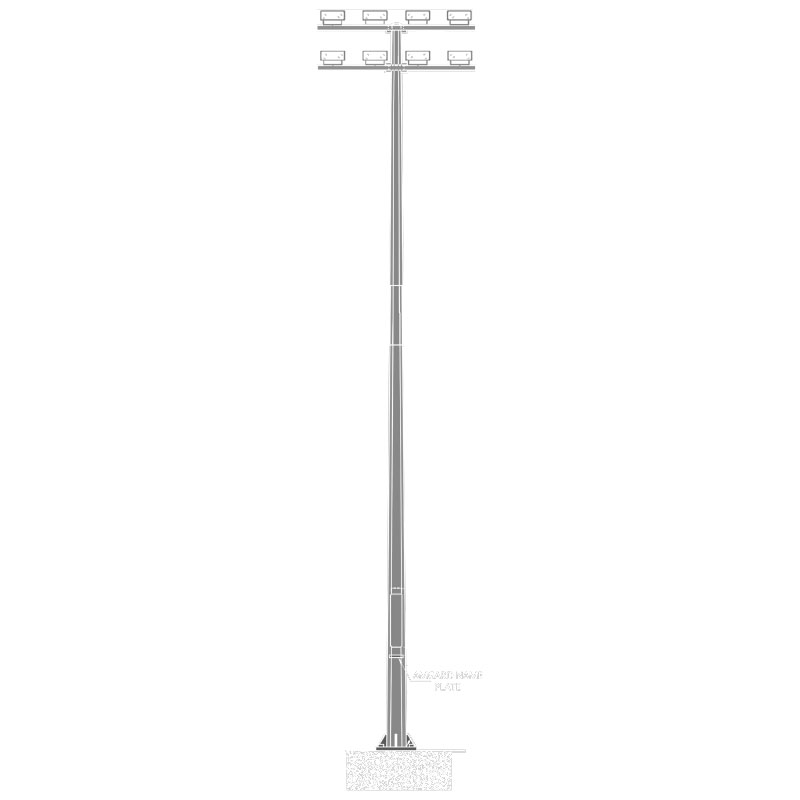
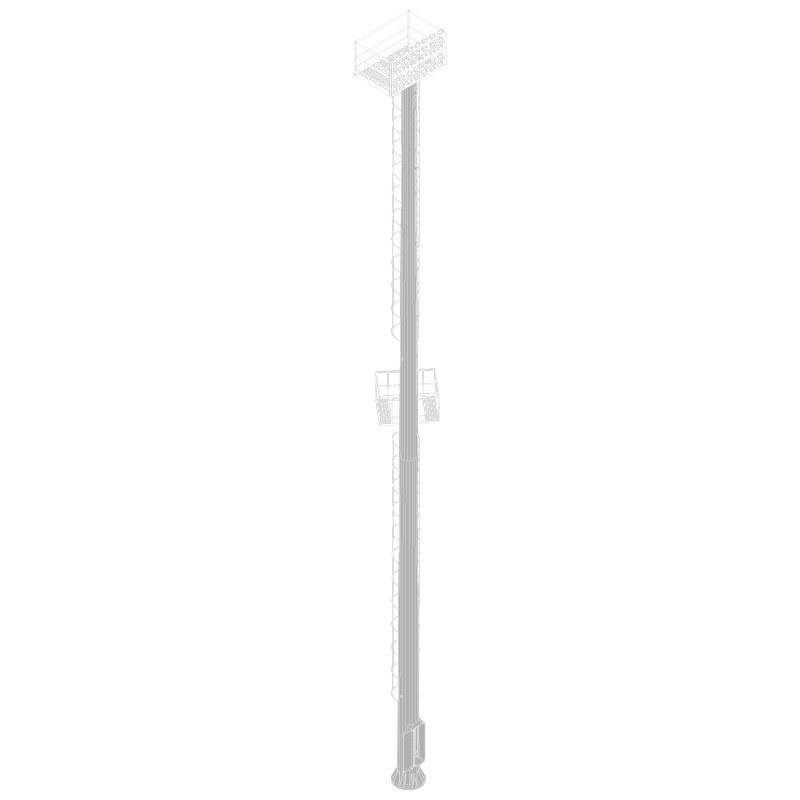
يمكن لحام أعمدة المصابيح الفولاذية وإصلاحها بعد التلف، وتكون تكلفة الاستبدال الجزئي أقل من تكلفة استبدال أعمدة المصابيح المركبة ككل.
يمكن لتقنية مكافحة الصدأ (مثل الجلفنة) أن تقلل بشكل كبير من تكرار الصيانة طويلة الأمد.
أصبحت أعمدة المصابيح الفولاذية خيارًا موثوقًا به للإضاءة الحضرية ذات الأداء عالي التكلفة والعمر الطويل والشكل الكلاسيكي، خاصة للأماكن التي تحتاج إلى مراعاة الوظيفة والجمال. ومع تطور التكنولوجيا، يستمر نطاق تطبيقها في التوسع.
يمكن أن تبدو قطعة أرض للبيع بالتجزئة بمساحة 120 مضاءة بشكل متساوٍ على خطة ضوئية ولا تزال تشعر بعدم الارتياح في الليل. السبب المعتاد ليس لاعبا أساسيا ضعيفا. إنه عدم تطابق بين ارتفاع القطب والتباعد وتوزيع الشعاع والتحكم في الوهج. الاستنتاج العملي بسيط: تعامل مع مصابيح وقوف السيارات الخارجية كنظام، وليس كعنصر كتالوج...
عرض المزيديمكن أن يبدو تخطيط إضاءة الشوارع منظمًا في مخطط الموقع ولكنه لا يزال يفشل في الدراسة الضوئية. قد يُظهر الحساب بقعًا داكنة بين القطبين، أو وهجًا عند التقاطع، أو إضاءة أقل من فئة الإضاءة المتفق عليها. الاستنتاج العملي بسيط: قم بإجراء الدراسة قبل تجميد الجدول الزمني للقطب. تربط الدراسة الضوئية بين بيانات وحدة الإنار...
عرض المزيديمكن أن يبدو عمود مضاء بطول 3.5 متر على كورنيش مكشوف مطابقًا لعمود آخر في فناء محمي، ومع ذلك قد يحتاج الاثنان إلى سمك جدار مختلف وتفاصيل مرساة ومداخل كابلات مختلفة. وبالتالي فإن الطريقة الأكثر أمانًا لشراء أعمدة الإضاءة LED هي معاملتها كهيكل ونظام بصري وعنصر صيانة في نفس الوقت. غالبًا ما يواجه المشترون الذين يقار...
عرض المزيد With their superior mechanical properties, cost-effectiveness, and long lifespan, they have become a reliable choice for urban lighting, road lighting, and landscape lighting.
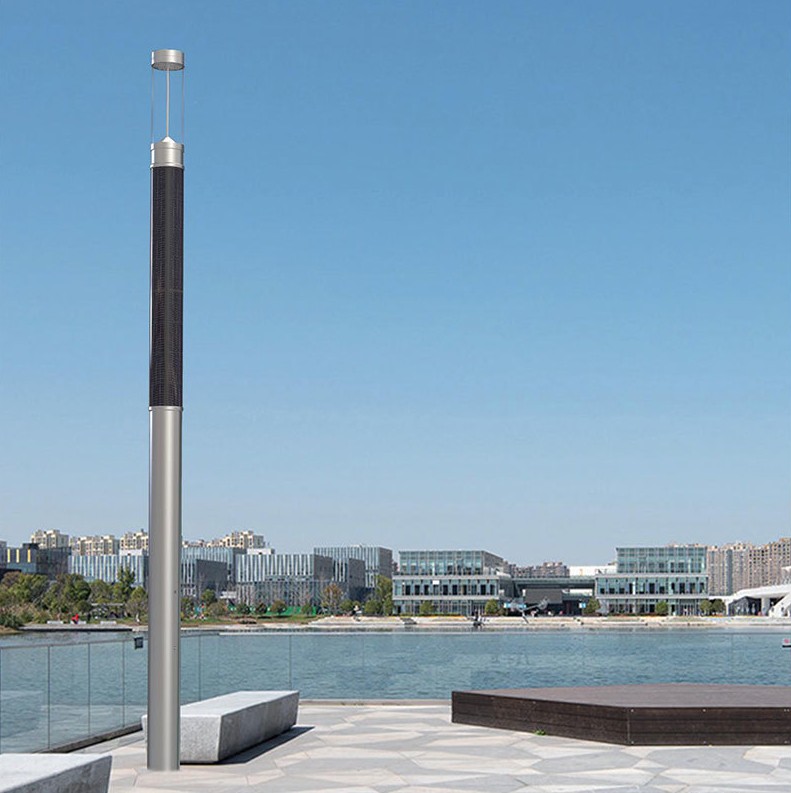
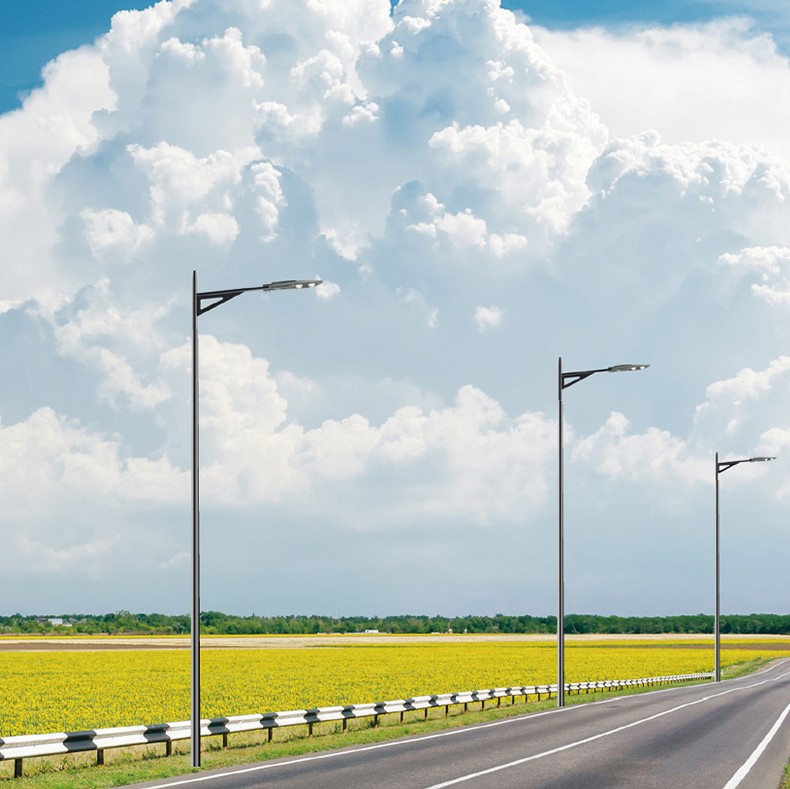
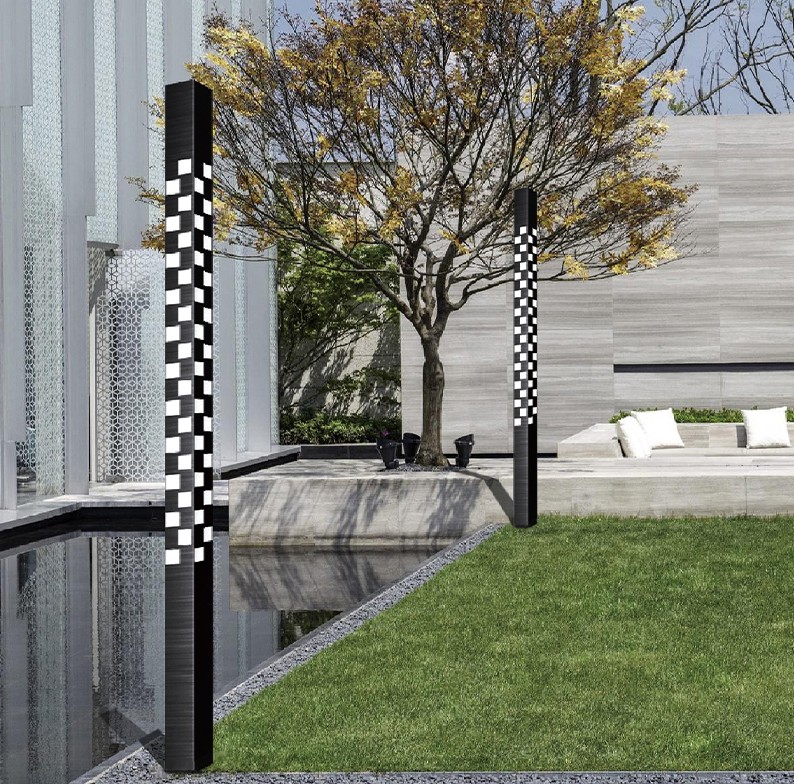
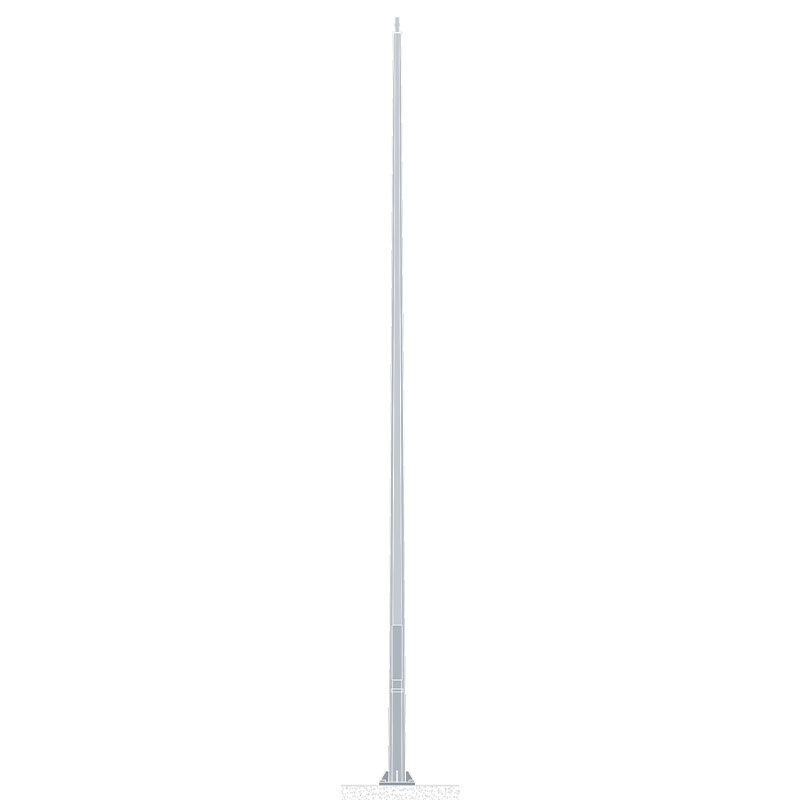
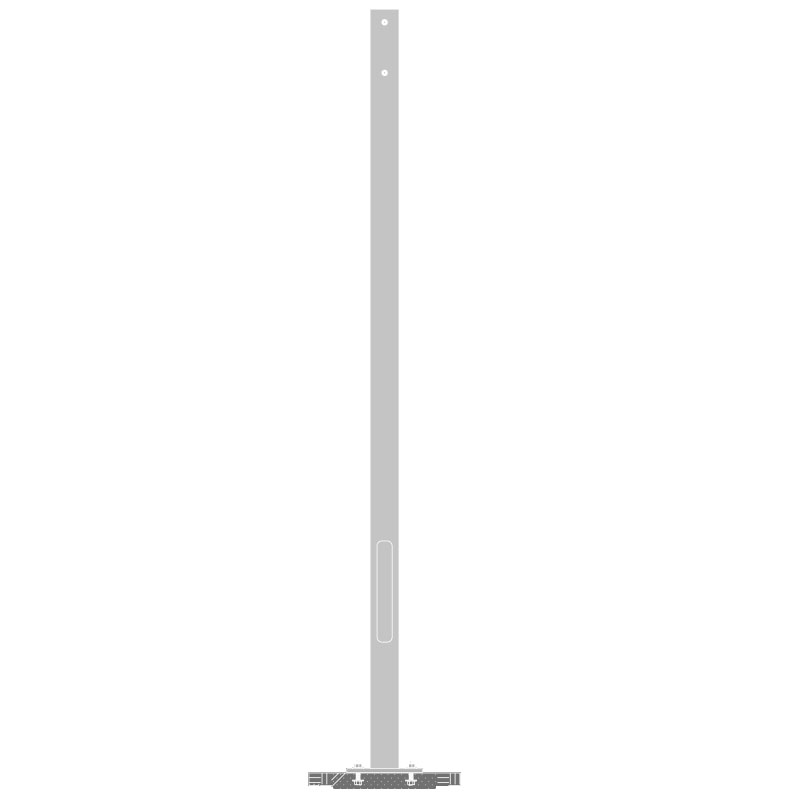
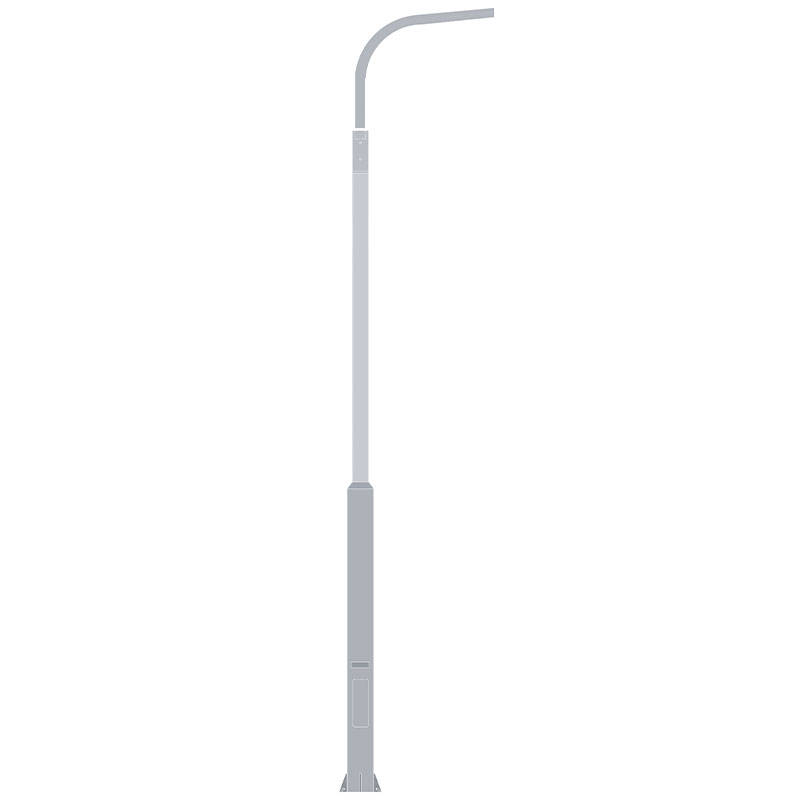
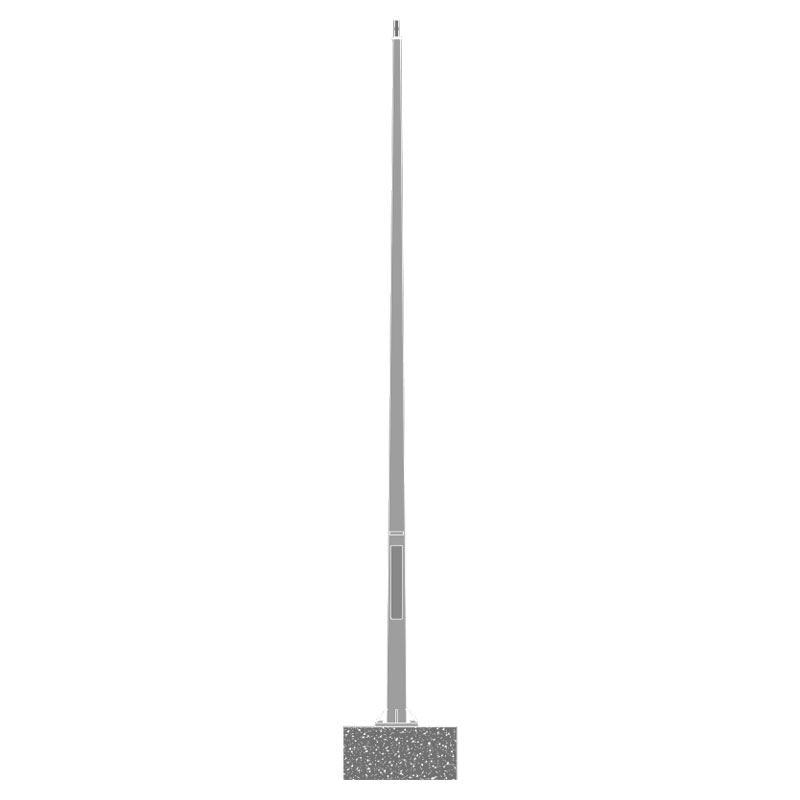
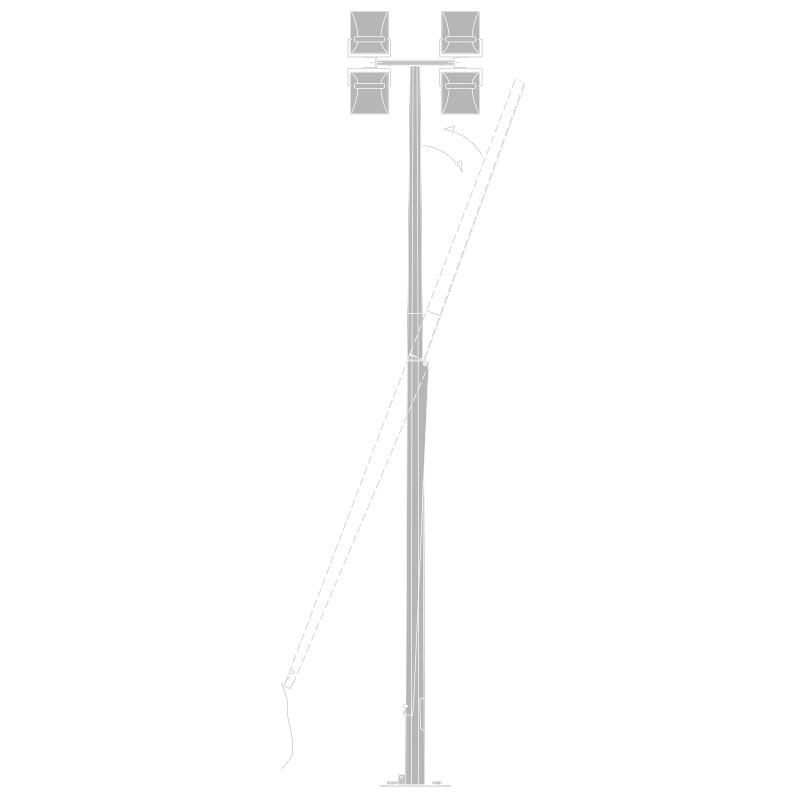
Steel Light Pole are typically manufactured from high-quality low-carbon steel plates (such as Q235 and Q345) through processes such as cutting, bending, and automatic welding. The cross-sectional shapes of the poles are diverse, with common types including:
Classic and aesthetically pleasing, with good wind resistance.
Commonly used for high-mast lighting or special lighting.
High strength and modern design.
The core advantages of Steel Light Pole lie in their high strength and good maintainability.
Steel has extremely high yield strength and wind resistance, ensuring stability and safety under various harsh weather conditions.
High Cost-Effectiveness: Compared to other materials (such as composite materials), steel has a lower initial purchase cost.
Repairability: Damaged steel light poles can be welded and repaired. Partial replacement costs are significantly lower than replacing the entire composite light pole, greatly extending its service life.
To cope with the humid and corrosive outdoor environment, steel light poles must undergo professional rust prevention treatment. Hot-dip galvanizing is currently the most mainstream and effective anti-corrosion technology.
Principle: The steel is immersed in molten zinc, causing the steel surface to react with the zinc, forming a thick zinc alloy layer and a pure zinc layer, creating sacrificial anode protection.
Effect: The galvanized layer has a uniform thickness, providing significant rust prevention. This greatly reduces the frequency and cost of long-term maintenance, ensuring a service life of over 20 years for the light pole.
Post-treatment: After galvanizing, powder coating (electrostatic spraying) is usually applied, providing additional corrosion protection and the desired color and surface finish to meet aesthetic requirements.
Steel light poles, with their long lifespan and classic design, have become a reliable choice for urban lighting, especially suitable for locations that balance functionality and aesthetics.
Expressways, main roads, and secondary roads (high poles, long arm lengths).
Plazas, parks, and residential areas (decorative poles, courtyard lights).
Traffic signal poles, surveillance poles, and other multi-functional poles.
With technological upgrades, the application scope of steel light poles is constantly expanding, such as integrating smart lighting systems and 5G micro base stations, developing towards smart light poles.
Steel Light Pole represent durability, structural strength, and long-term reliability for modern infrastructure.
A: High initial cost-effectiveness; damaged poles can be welded and repaired, and the cost of partial replacement is far lower than the cost of replacing the entire composite light pole.
A: Hot-dip galvanizing is used to form a sacrificial anode protective layer, achieving a service life of over 20 years and significantly reducing maintenance frequency.
A: Primarily used for urban and road lighting. The development trend is the integration of smart technologies, becoming smart light poles and multi-functional poles.
A: They are made of low-carbon steel plates (such as Q235/Q345), with common cross-sections being conical or polygonal, providing high strength.
Ningbo Morelux Pole Technology Limited جميع الحقوق محفوظة. بالجملة عمود إنارة فولاذي مصنع OEM/ODM عمود إنارة فولاذي شركة



 英语
 西班牙语
 法语
 阿拉伯语
 意大利语